
El Destino — The Destiny | Dreamstreet Entertainment
Episodic Series
Dreamstreet Entertainment Presents
EL DESTINO — 500 YEARS
Inspired by true historical facts that follow one family
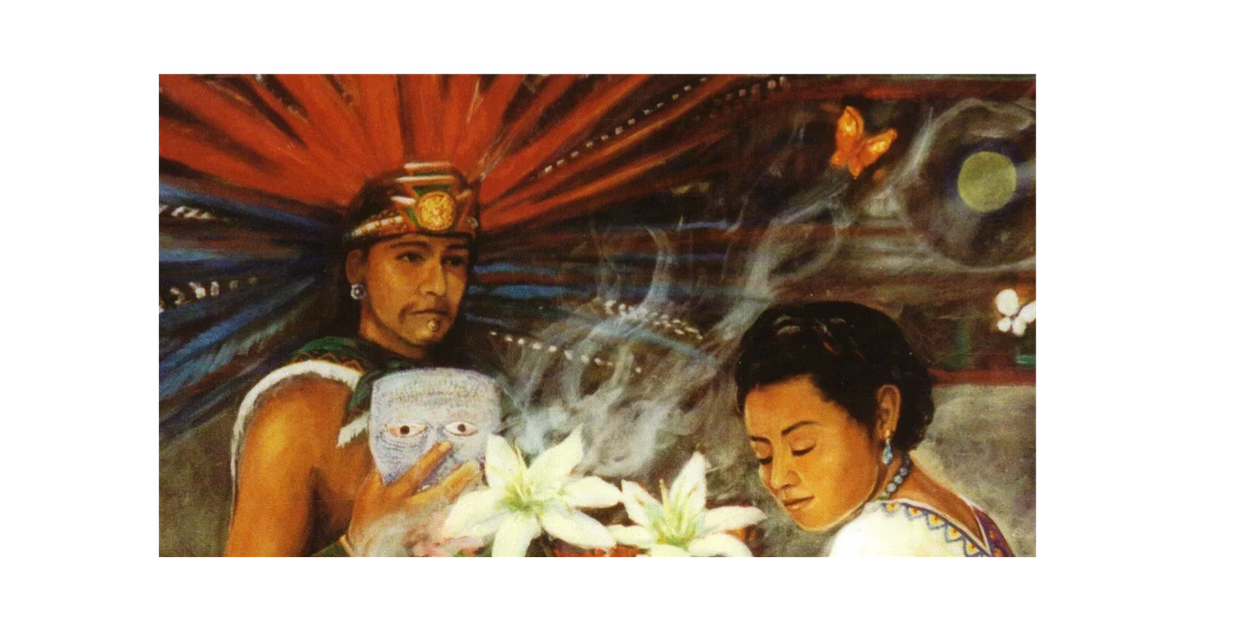
Five-hundred years ago, two men met and changed much of the World forever. 500 Spanish conquistadors — ragged from skirmishes, a massacre of an Indigenous Village and a hike between massive volcanoes — couldn't believe what they saw: an elegant Island City in a land that Europeans didn't know existed until a few years before.
"It was all so wonderful that I do not know how to describe this first glimpse of things never heard of, seen or dreamed of before," wrote conquistador Bernal Díaz del Castillo.
The date Nov. 8, 1519. Bernal's leader, Hernán Cortés, walked them down a causeway leading into the Aztec Capital, Tenochtitlán, and was greeted by this land's most powerful man: Emperor Montezuma II. (The term "The Aztecs" is often used to denote the triple alliance of civilizations that made up his empire.)
The meeting of Montezuma and Cortés — in what today is Mexico City — and the conquest that followed it still weigh heavily in Mexico half a millennium later. Mexican President Andrés Manuel López Obrador has publicly asked the Spanish crown to apologize for atrocities against native people.
"We have not forgotten this issue and continue believing they should offer an apology for the invasion," he said during a news briefing in October. So far, Spain continues to reject the request.
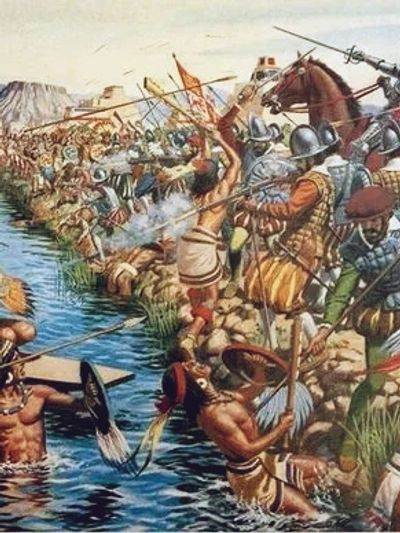
The story of the Spanish conquest, as it has been commonly understood for 500 years, goes like this: Montezuma surrendered his empire to Cortés. Cortés and his men entered Tenochtitlán and lived there peacefully for months until rebellious Aztecs attacked them. Montezuma was killed by friendly fire. The surviving conquistadors escaped the city and later returned with Spanish reinforcements. They bravely laid siege to Tenochtitlán for months and finally captured it on Aug. 13, 1521, with the Spanish taking their rightful place as leaders of the land we now know as Mexico. Conquest accomplished. Cortez had children with an Aztec named Malinche who learned Spanish.
When Montezuma met Cortés, refers to the time as the Spanish-Aztec war. He says Cortés was a "mediocrity" with little personal impact on the unfolding of events and refocuses on complex territorial battles between the Aztecs and their rivals. The Tlaxcallan Empire, which allied with the Spanish, was the driving force, outnumbering conquistadors 50-to-1 during the war with the Aztecs. Smallpox and a betrayal from an Aztec ally dealt the final blow. The wondrous island city fell, but it would take years for the Spanish to establish control in New Spain.
The messy history of the Spanish and Aztecs is still strikingly visible in the center of Mexico City. Right next to the imposing Metropolitan Cathedral (a centuries-long expansion of the first Spanish church built here, in the 1520s) sit the remains of the Aztec Templo Mayor, or Great Temple, buried beneath the city surface.
In 1521, Cortes definitively conquered Tenochtitlan and he needed Malinche more than ever to help him govern his new empire. She bore him a child, Martín, in 1523. Martín was eventually made legitimate by a papal decree. Malinche is hated today as a traitor to Mexico.
The Story Through the Centuries

Hernán Cortés Arrives
The Spanish conquest of the Aztec Empire, also known as the Conquest of Mexico or the Spanish-Aztec War, was one of the primary events in the Spanish colonization of the Americas. There are multiple 16th-century narratives of the events by Spanish conquistadors, their indigenous allies, and the Aztecs' resistance.

Cortés Burns the Ships
In July of 1519, in a brazen act that would upend history, Spanish conquistador Hernán Cortés ordered his men to sink all but one of the 11 ships they sailed from Cuba to Mexico on a supposed exploratory mission. Nearly 500 years later, the fleet's final resting place remains unknown.

The Interpreter
The Spanish conquest of the Aztec Empire, also known as the Conquest of Mexico or the Spanish-Aztec War, was one of the primary events in the Spanish colonization of the Americas. There are multiple 16th-century narratives of the events by Spanish conquistadors, their indigenous allies, and the Aztecs' resistance.

New Spain Takes Hold
The Spanish conquest of the Aztec Empire, also known as the Conquest of Mexico or the Spanish-Aztec War, was one of the primary events in the Spanish colonization of the Americas. There are multiple 16th-century narratives of the events by Spanish conquistadors, their indigenous allies, and the Aztecs' resistance.
Colonial Era Begins
The Spanish conquest of the Aztec Empire, also known as the Conquest of Mexico or the Spanish-Aztec War, was one of the primary events in the Spanish colonization of the Americas. There are multiple 16th-century narratives of the events by Spanish conquistadors, their indigenous allies, and the Aztecs' resistance.
The 1700s
The Spanish conquest of the Aztec Empire, also known as the Conquest of Mexico or the Spanish-Aztec War, was one of the primary events in the Spanish colonization of the Americas. There are multiple 16th-century narratives of the events by Spanish conquistadors, their indigenous allies, and the Aztecs' resistance.
Late Colonial Period
The Spanish conquest of the Aztec Empire, also known as the Conquest of Mexico or the Spanish-Aztec War, was one of the primary events in the Spanish colonization of the Americas. There are multiple 16th-century narratives of the events by Spanish conquistadors, their indigenous allies, and the Aztecs' resistance.
Independence & Revolution
The Spanish conquest of the Aztec Empire, also known as the Conquest of Mexico or the Spanish-Aztec War, was one of the primary events in the Spanish colonization of the Americas. There are multiple 16th-century narratives of the events by Spanish conquistadors, their indigenous allies, and the Aztecs' resistance.
Modern Mexico Emerges
The Spanish conquest of the Aztec Empire, also known as the Conquest of Mexico or the Spanish-Aztec War, was one of the primary events in the Spanish colonization of the Americas. There are multiple 16th-century narratives of the events by Spanish conquistadors, their indigenous allies, and the Aztecs' resistance.
The Legacy Today
The Spanish conquest of the Aztec Empire, also known as the Conquest of Mexico or the Spanish-Aztec War, was one of the primary events in the Spanish colonization of the Americas. There are multiple 16th-century narratives of the events by Spanish conquistadors, their indigenous allies, and the Aztecs' resistance.
The Mexican Roots
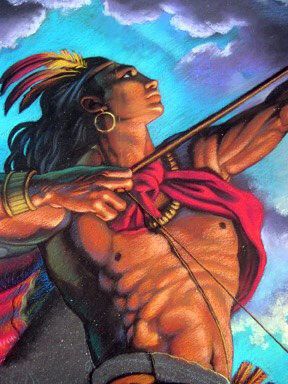
Necklace to Sochin and Temonchine from Moctezuma at wedding.
MPO — Tenochtitlan
1 / 26
Destiny — Inspired by One True Family
Created by and written by Gloria Morrison

Elvia Alvarado
with Elvia Alvarad0 co-writer
Gloria Morrison
Original Concept — Producer · Writer · Director · Filmmaker
Project Details
Format
Episodic Series
Status
In Development / Pre-Production
Get Involved
Do you have questions or comments about our film? Do you have a theater where we could arrange a screening? Send us a message and we will get back to you soon.